Hidden Costs of Puzzle Buying: What Beyond the Sticker Price?

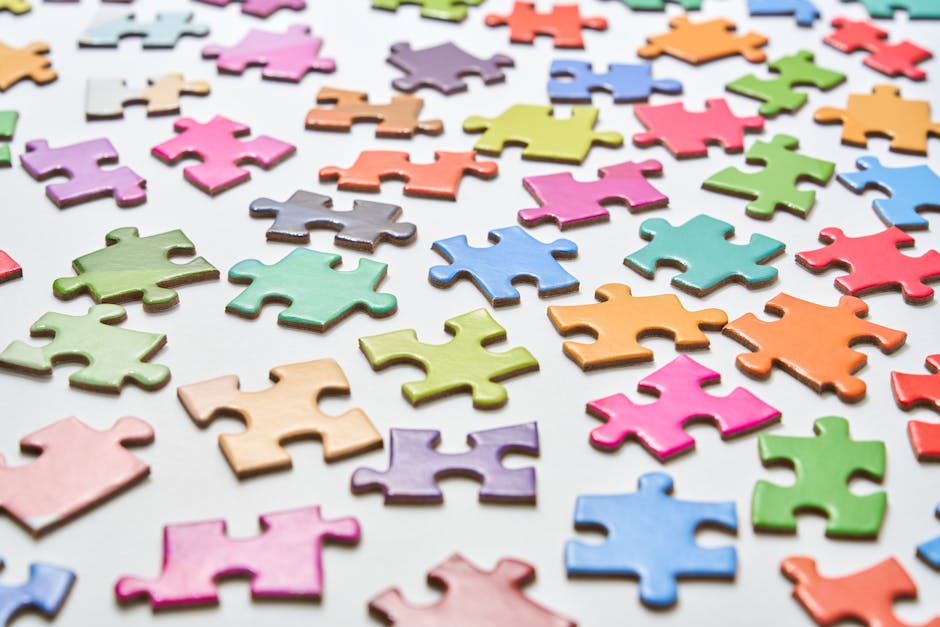
Image source: authorized promotional asset or stock photography.
When you buy a jigsaw puzzle, the retail price is only part of the story. There are additional costs that can add up over time, especially if you become a regular puzzler. In this article, we examine the hidden costs of puzzle ownership that go beyond the sticker price.
Shipping and Handling
If you purchase puzzles online, shipping is the most obvious additional cost. A single puzzle shipped individually can cost $5 to $10 in shipping. Ordering multiple puzzles at once to meet free shipping thresholds is the most effective way to reduce this cost.
Some retailers offer free shipping on orders over a certain amount. If you are planning to buy several puzzles, consolidating your order can save significantly.
Puzzle Storage
As your puzzle collection grows, storage becomes a real consideration. Puzzles take up shelf space, and without proper storage, boxes can get damaged. Simple shelving units work for most collections, but dedicated puzzle storage systems are available for those who want to protect their investment.
If you frame completed puzzles — and many White Mountain puzzles are attractive enough to frame — you need to budget for puzzle glue, a frame, and potentially a backing board. Framing a single puzzle can cost $20 to $50 depending on the frame quality.
Puzzle Accessories
Common accessories include puzzle mats for rolling and storing in-progress puzzles, sorting trays for organizing pieces, and puzzle boards that provide a dedicated work surface. A basic setup with a mat and sorting trays costs around $25 to $40. A full puzzle board system can cost $50 to $100.
Replacement Pieces
Occasionally, a puzzle arrives with a missing piece. White Mountain has a replacement policy, but it may involve shipping costs or processing fees depending on the situation. Check the official website for their current policy before purchasing.
The Cost of Time
While time is not a monetary cost, it is worth considering. A 1000-piece puzzle represents 8 to 20 hours of your time. If you are buying puzzles regularly, think about whether you have the time to enjoy them. An unfinished puzzle sitting on a table can become a source of stress rather than relaxation.
Conclusion
The true cost of puzzle ownership includes shipping, storage, accessories, and potentially framing. For most casual puzzlers, these costs are minimal. For dedicated hobbyists, they can add up. Budgeting for these extras ensures you are not surprised by the total investment.
Affiliate Disclosure: We may earn an affiliate commission at no extra cost to you. We are an independent review portal and are not affiliated with any brand mentioned in this article. Please verify all information on the official website before making purchasing decisions.