Jigsaw Puzzle Buying Guide for Beginners: Everything You Need to Know

Image source: authorized promotional asset or stock photography.
If you are reading this, you are probably new to the world of jigsaw puzzles and wondering where to start. Choosing the right first puzzle can make the difference between a frustrating experience and a new hobby. This guide covers everything a beginner needs to know.
Understanding Piece Counts
Piece count is the most important factor for beginners. Here is a general guide: 100 to 300 pieces are suitable for children or absolute beginners. 500 pieces are good for motivated beginners who want a challenge. 1000 pieces are the standard for intermediate puzzlers and take several sessions. 2000+ pieces are for experienced puzzlers only.
For your first puzzle, we recommend starting with 300 or 500 pieces. A 300-piece puzzle can be finished in an afternoon and gives you a sense of accomplishment. A 500-piece puzzle is a weekend project that introduces more complexity.
Choosing a Theme
The image you choose matters more than you might think. As a beginner, select an image with clear color variation and distinct sections. A landscape with a blue sky, green fields, and a red barn is easier to assemble than a monochromatic abstract design.
Avoid images with large areas of the same color — these are frustrating because you cannot tell pieces apart. Look for images with patterns, text, or distinct objects that help you identify where pieces belong.
Selecting a Brand
For your first puzzle, choose a mid-range brand like White Mountain or Buffalo Games. These brands offer good quality at a reasonable price. Avoid budget brands for your first puzzle — the thinner pieces and less precise cutting can make the experience frustrating.
Premium brands like Ravensburger are excellent but may be more than you want to spend on a first puzzle. If you are confident you will enjoy puzzling, starting with a premium brand is fine.
Where to Buy
Puzzles are available from the manufacturer website, Amazon, mass-market retailers like Walmart and Target, specialty toy stores, and craft stores. For your first puzzle, buying from a retailer with a good return policy is wise in case you get a defective puzzle.
What Else You Need
You need a flat surface at least the size of the assembled puzzle. A dining table works well. If you do not have a dedicated surface, consider a puzzle mat that lets you roll up and store an in-progress puzzle.
Good lighting is essential. An overhead light or a desk lamp directed at your workspace reduces eye strain and makes it easier to distinguish piece colors.
Tips for Your First Puzzle
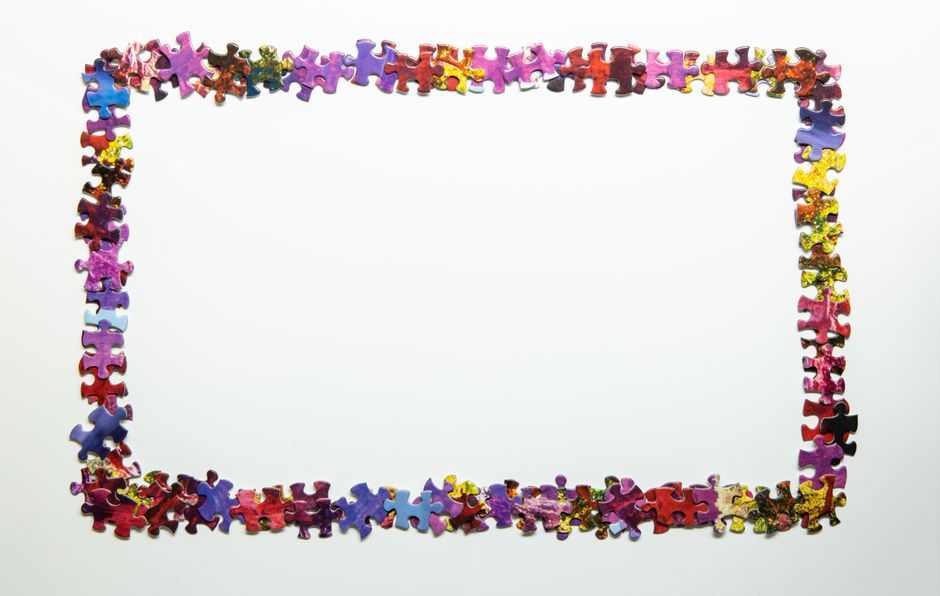
Sort the edge pieces first and assemble the border. Then sort pieces by color or pattern. Work on one section at a time. Take breaks when you feel stuck. Do not force pieces — if a piece does not fit easily, it probably belongs elsewhere.
Conclusion
Starting with the right puzzle makes all the difference. Choose a 300 or 500-piece puzzle from a mid-range brand, pick an image with clear color variation, and set up a comfortable workspace. With these basics, your first puzzle experience should be enjoyable and rewarding.
Affiliate Disclosure: We may earn an affiliate commission at no extra cost to you. We are an independent review portal and are not affiliated with any brand mentioned in this article. Please verify all information on the official website before making purchasing decisions.